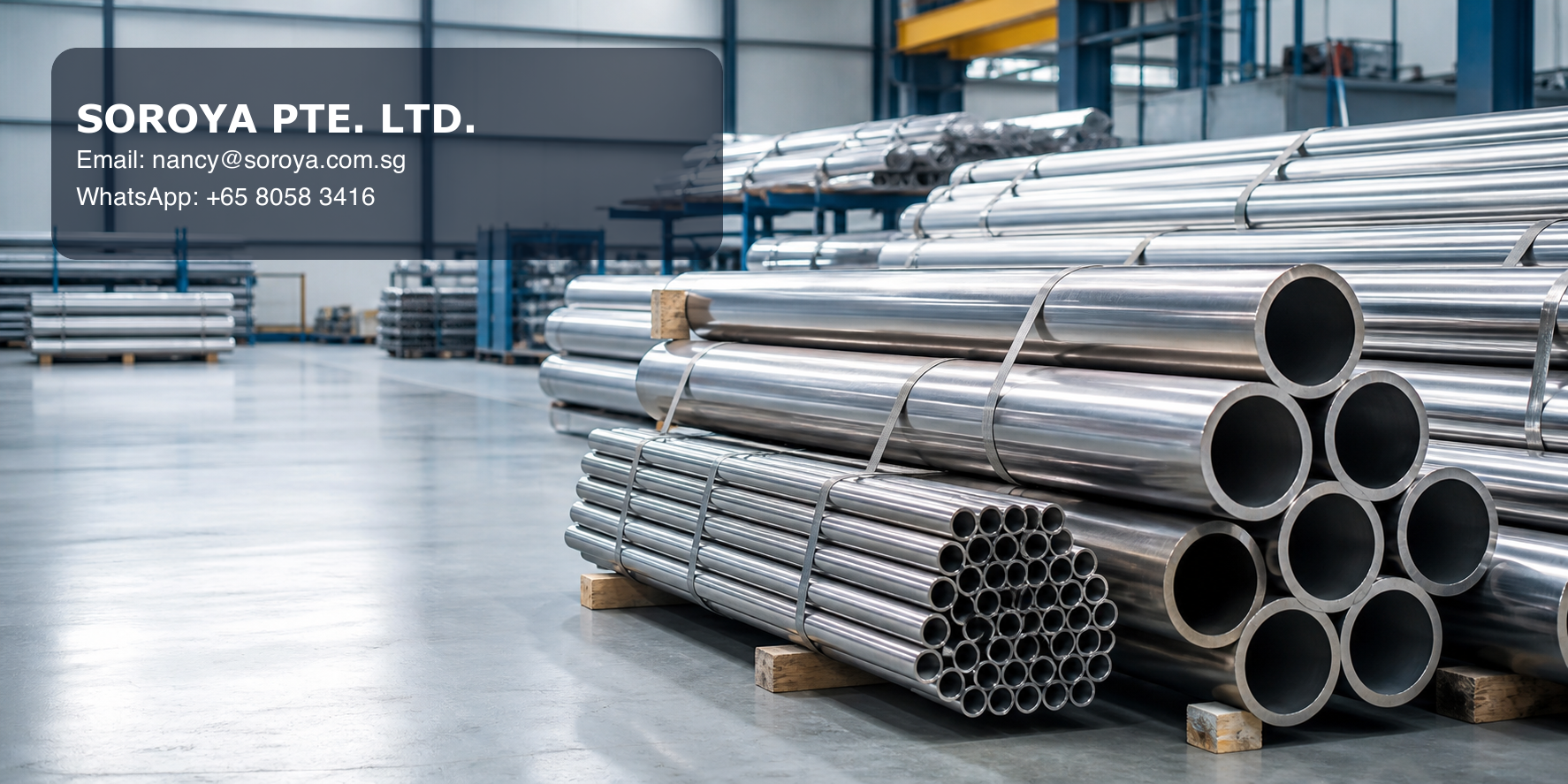
Getting a competitive stainless steel pipe or tube quotation should not require three rounds of clarification. Yet many buyers still send enquiries that only mention grade and size, which leaves suppliers to guess the product form, production route, certification scope, and delivery basis. That usually leads to slow offers, inconsistent assumptions, and quotation comparisons that do not reflect the real supply requirement.
For project buyers, OEM sourcing teams, distributors, and fabrication contractors, better results come from structuring the RFQ before asking for price. If you need stainless steel pipe and tube for process lines, skid fabrication, structural assemblies, or export stock, a clear specification will usually improve both quotation speed and commercial accuracy. The goal is not to make the RFQ longer. The goal is to make it precise enough that a supplier can quote the right material on the first pass.
Define Whether You Need Pipe, Tube, or Both
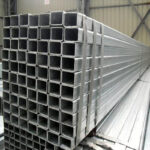
Buyers often use the words pipe and tube interchangeably, but suppliers normally do not. Stainless steel pipe is commonly quoted for fluid service, utility systems, pressure-related applications, and process installations. Stainless steel tube is more often used for mechanical fabrication, instrumentation, heat exchanger components, handrails, frames, and other applications where dimensional control or finish may be more important than nominal flow service.
This matters because the wrong starting description can distort the quotation. A supplier pricing seamless process pipe will not evaluate the job the same way as a supplier pricing welded mechanical tube cut to length for fabrication. If your order includes both forms, separate them clearly in the RFQ. That makes it easier to compare lead time, standards, finish options, and total value without mixing unlike items into one price discussion.
Choose Grade and Manufacturing Route by Service Risk
304 stainless steel pipe and tube remain practical choices for many industrial programs because they balance corrosion resistance, availability, and shop-friendly fabrication performance. For indoor utilities, moderate service environments, food-related structures, and general workshop applications, 304 or 304L are frequently commercially suitable. 316 stainless steel pipe and tube are more often reviewed when chloride exposure, chemical cleaning media, or coastal operating conditions require a stronger corrosion margin.
Buyers should also state whether the requirement is seamless stainless steel pipe, welded pipe, or welded tube. Seamless product may be necessary where specifications, pressure duty, or end-user approval demand it. But many fabrication and non-critical industrial uses can work well with welded product and benefit from better availability or lower cost. Specifying seamless by habit can extend lead time and increase price without improving actual project performance.
List Sizes the Way the Supplier Will Quote Them
One of the fastest ways to improve a stainless steel pipe supplier quotation is to define the dimensions exactly as they will be purchased. That usually means listing nominal pipe size or outside diameter, wall thickness or schedule, grade, length, quantity by item, and any cut-length requirement. When buyers only state a rough range, suppliers often quote against different assumptions, and the comparison becomes unreliable.
If tolerances or end preparation matter, include them early. Tube for repeat fabrication may require tighter dimensional consistency than tube sold for general stock. Pipe for welding may also need deburred ends, capped ends, or a specific finish. Small details like these affect both cost and usability. They should appear in the first enquiry rather than after the supplier has already issued a provisional offer.
Specify Standards, Certification, and Traceability Up Front
Many sourcing issues appear after price agreement, not before. A buyer chooses the cheapest offer and only then confirms that mill test certificates, EN 10204 3.1 documents, heat number traceability, or third-party inspection support are required. At that point the supplier must rework the offer, and the price or lead time changes. A better approach is to treat documentation as part of the original supply scope.
If your program requires ASTM, ASME, EN, or JIS references, include them directly in the RFQ. The same applies to marking rules, test reports, PMI expectations, or inspection witness requirements. For international projects, these points are not administrative extras. They are part of the commercial basis for a usable stainless steel tube supplier quotation.
Ask About Finish, Packing, and Delivery Assumptions
Commercially useful quotations go beyond raw material price. Buyers should confirm whether the quote covers mill finish, pickled finish, polished outside surface, or another required condition. If the tube or pipe will be visible in the finished assembly, used in hygienic service, or integrated into automated fabrication, surface condition can directly affect downstream work.
Packing is equally important for export supply. Bundling method, protective wrapping, seaworthy packing, end caps, and container loading assumptions can change transit risk and receiving efficiency. A lower ton price is not necessarily the better purchase if the shipment arrives with avoidable handling damage or if the packing format creates extra unloading cost. Serious buyers compare the delivered commercial scope, not only the base metal value.
Build the RFQ Around the Final Application
The most effective stainless steel enquiries explain what the material will actually do after delivery. Is the order for a process skid, an OEM assembly line, distributor inventory, or structural fabrication? Will the product be cut, bent, orbital welded, polished, or resold in stock lengths? These details help suppliers suggest better options and flag avoidable cost drivers.
For example, if a buyer can accept mixed stock lengths instead of exact full lengths, the supplier may be able to improve lead time. If cut-to-length service is acceptable, the quote can be aligned to the workshop plan rather than only to mill stock. When the end use is clear, the quotation becomes more commercially relevant and easier to approve internally.
What to Send for a Faster Stainless Steel Pipe and Tube Quote
If you want faster and more comparable offers for stainless steel pipe and tube sourcing, send the RFQ with these points defined: product form, welded or seamless preference, grade, standard, size list, wall thickness or schedule, finish, quantity by line item, documentation requirement, packing expectation, destination, and target shipment timing. Drawings, BOM files, and inspection notes should be attached when available.
If you are buying for process systems, fabrication projects, or export resale, send your enquiry directly to nancy@soroya.com.sg or WhatsApp +65 8058 3416 for a direct quotation review. A better RFQ usually leads to a faster price response, fewer revision cycles, and a more dependable stainless steel supply decision.
About SOROYA PTE. LTD.
SOROYA PTE. LTD. is a Singapore-based supplier supporting international stainless steel sourcing and supply-chain requirements.
General Manager: Nancy
General Manager Email: nancy@soroya.com.sg
WhatsApp: +65 8058 3416
Address: Singapore 14 ROBINSON ROAD, #08-01A, FAR EAST FINANCE BUILDING, 048545