Buying stainless steel pipe or stainless steel tube for an industrial project often looks straightforward until the quotations arrive. One supplier prices welded material from stock, another prices seamless production, and a third includes cutting, export packing, and certificates that the other offers do not mention. The unit price is visible, but the true supply scope is not. That is why many buyers discover late in the process that the lowest quotation is not actually the most usable one.
For process skids, utility lines, fabrication programs, and export distribution, a better purchasing result comes from comparing stainless steel pipe and tube offers on the same technical and commercial basis. Clear RFQs reduce revision cycles, make supplier responses easier to compare, and help procurement teams avoid changes after the purchase order is placed. This guide explains how industrial buyers can review quotations more effectively when sourcing stainless steel pipe and tube.
Separate pipe, tube, and manufacturing route before comparing numbers
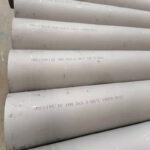
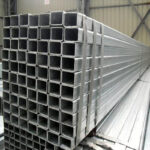
The first step is to confirm that every supplier is quoting the same product form. In many enquiries, buyers use the phrase stainless steel pipe and tube as if it describes one interchangeable item. In practice, it does not. Pipe is often linked to nominal pipe size and schedule wall thickness for fluid service. Tube is more commonly quoted by exact outside diameter, wall, or section size for fabrication. Hygienic tube may add surface and cleanliness requirements that standard industrial tube does not carry.
The manufacturing route matters just as much. A quotation for seamless stainless steel pipe should not be compared directly with an offer for welded tube unless the application accepts both options. If the end user specification, code requirement, or pressure duty truly requires seamless material, that should be fixed in the RFQ. If welded product is acceptable, buyers should state that clearly so suppliers can quote the most practical route instead of guessing the safest assumption.
Match the grade to service conditions and fabrication needs
Common quotation requests start with 304 stainless steel pipe, 304L stainless steel tube, 316 stainless steel pipe, or 316L stainless steel tube. Those grades are widely used, but the right choice depends on the service environment, cleaning chemistry, and fabrication route. For indoor utility service, general fabrication, and many OEM assemblies, 304 or 304L may be commercially suitable. For chloride exposure, more aggressive washdown conditions, marine-adjacent installation, or demanding process media, 316 or 316L is often reviewed because it generally provides a stronger corrosion margin.
If the material will be welded, low-carbon grades such as 304L and 316L are often preferred because they support a more predictable fabricated result. Buyers should also state whether the tube will be bent, polished, orbital welded, mechanically joined, or installed with hygienic fittings. When the supplier understands both service conditions and downstream fabrication, the quotation is more likely to fit the actual project instead of only the headline description.
Check dimensions, finish, and length assumptions line by line
Many quote comparisons fail because one supplier priced stock lengths while another included cut lengths ready for fabrication. Buyers should review outside diameter, nominal size, wall thickness or schedule, standard, finish, and required lengths for each line item. If one quotation assumes random mill lengths and another includes precise cut-to-length service, the two offers are not equal even when the alloy and size appear similar.
Surface finish also changes value. Standard mill finish may be commercially fine for utility piping, structural supports, or concealed fabrication. Hygienic process lines, visible equipment, or applications that require cleaner welding conditions may need tighter surface expectations and better end protection. A practical quotation review checks whether the offer covers the finish and end condition the workshop or installation team actually needs.
Make documentation and traceability part of the pricing basis
For many industrial buyers, documentation is not an afterthought. It is part of the supply package. Mill test certificates, heat traceability, EN 10204 3.1 documentation where required, third-party inspection support, and marking rules can all affect both price and lead time. When those requirements appear only after the commercial comparison, the order often has to be requoted.
Export projects create another layer of risk. Stainless steel pipe and tube may need stronger packing, moisture protection, bundle identification, palletization, or mixed packing by project section. A supplier that includes these points in the original quotation may offer better total value than one with a lower ton price but minimal dispatch scope. Procurement teams should compare not just the material cost, but the completeness of the quoted delivery package.
Review lead time as a project constraint, not a side note
Buyers often focus on material price first and look at delivery later. That sequence can be costly. A very competitive quote may be based on future mill rolling, substitute sizing, or partial availability that does not align with shutdown windows, skid assembly plans, or customer delivery milestones. A slightly higher-priced offer based on current stock, confirmed production slots, or staged dispatch may reduce far more project cost than the price difference suggests.
When reviewing quotations from a stainless steel pipe supplier or tube supplier, check whether the lead time is tied to stock, new production, or a mixed supply route. Confirm whether split shipments are possible and whether the supplier has identified any long-lead sizes. Good commercial decisions come from understanding schedule certainty as well as material pricing.
Build RFQs that produce comparable quotations
The easiest way to improve quotation quality is to improve the RFQ before sending it. A useful enquiry for stainless steel pipe and tube should usually include the grade, product form, dimensions, wall thickness or schedule, finish, required lengths, quantity, documentation expectations, destination, and target delivery timing. If drawings, line lists, BOM files, or end-user specifications are available, send them together with the enquiry instead of waiting for suppliers to request them later.
For a direct quotation or enquiry, contact SOROYA PTE. LTD. at nancy@soroya.com.sg or WhatsApp +65 8058 3416. If you already have a line schedule, process specification, or fabrication drawing, include it with your request so the quotation can be prepared on an accurate and comparable basis.
About SOROYA PTE. LTD.
SOROYA PTE. LTD. is a Singapore-based supplier supporting international stainless steel sourcing and supply-chain requirements.
General Manager: Nancy
General Manager Email: nancy@soroya.com.sg
WhatsApp: +65 8058 3416
Address: Singapore 14 ROBINSON ROAD, #08-01A, FAR EAST FINANCE BUILDING, 048545