Buying 不锈钢板 for tank fabrication, skid assemblies, and export equipment projects usually looks simple at the enquiry stage. Buyers ask for a grade, a thickness, and a quantity, then wait for quotations. The problem is that many quotation gaps are created before the supplier even replies. If the RFQ does not define the fabrication route, surface condition, certificate expectation, or cutting scope, suppliers price different assumptions and the purchasing team ends up comparing numbers that do not describe the same supply package.
For project buyers, OEM procurement teams, distributors, and fabrication managers, the real goal is not only to buy plate at a competitive rate. The goal is to buy plate that moves cleanly into production, supports inspection requirements, and arrives in a condition that does not create extra workshop cost. This guide explains how to source 不锈钢板 more effectively for tank and skid fabrication so quotations are more accurate and orders are easier to execute.
Define the End Use Before Asking for a Quote
A short request for 304不锈钢板 or 316不锈钢板 is a starting point, not a complete purchasing basis. Plate used for water-treatment skids, storage tanks, CIP units, support frames, hoppers, and process modules can face very different service conditions. Corrosion exposure, weld density, cleaning chemistry, and visual finish expectations all affect the right commercial and technical choice.
304不锈钢板 is commonly reviewed when the project needs a widely available austenitic grade with good weldability and practical cost for general fabrication. 316不锈钢板 is more often considered when chloride exposure, coastal installation, aggressive washdown, or more demanding process media increase corrosion risk. Where heavy welding is expected, buyers should also state whether low-carbon options such as 304L or 316L are preferred so the supplier can quote on the correct basis from the start.
A useful enquiry tells the supplier what the plate will become after delivery. If the material will be rolled into shells, cut into reinforcement pads, machined, polished, or built into export skids, that context helps the supplier recommend a more suitable stock or mill route.
Control Plate Size, Tolerance, and Yield Assumptions
Many sourcing problems come from vague dimension planning. Buyers should define thickness, width, length, and quantity for each line item, and they should also clarify whether they need full plates, cut blanks, or processed parts. A quotation based on standard stock plates is not directly comparable with one that already includes cut-to-size service and yield planning.
Thickness tolerance and flatness can have a direct effect on fabrication efficiency. If the plate will be laser cut, plasma cut, formed, or fitted into predesigned assemblies, variation in incoming material can slow production and create hidden labor cost. A low ton price loses value quickly when the workshop spends extra time correcting material condition. For this reason, buyers comparing 不锈钢板供应商 should ask how the quoted plate will perform in production, not only how it is priced.
Specify Finish and Edge Condition Early
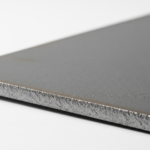
Surface finish should be written into the first RFQ because it changes both cost and usability. For many industrial tanks and skid bases, hot rolled No.1 不锈钢板 is commercially appropriate. For visible equipment, hygienic process skids, or components that will be polished later, buyers may need a smoother supply condition. If the finish is not clearly stated, different suppliers can quote different assumptions and still appear to be offering the same material.
Edge condition matters as well. Some projects can accept normal mill edges, while others need sheared, trimmed, deburred, or contour-cut pieces ready for welding or assembly. Defining that scope early reduces quote revisions and helps procurement compare offers on a like-for-like basis.
Make Documentation Part of the Original Commercial Scope
For export fabrication, paperwork is often as important as the plate itself. Buyers should state whether they require mill test certificates, heat traceability, EN 10204 3.1 documents where applicable, third-party inspection support, or project-specific marking. When those requirements appear only after pricing, lead time and cost usually change.
Packing and dispatch terms should be treated the same way. Plate for international shipment may need wooden packing, moisture protection, interleaving, export labels, or mixed bundles matched to fabrication sequence. Buyers should also confirm whether the quotation is based on available stock, new mill production, or a combined supply route. Those details influence schedule reliability just as much as the headline price.
Build a Better RFQ for Tank and Skid Fabrication
A strong RFQ for 不锈钢板 usually includes:
- Grade and preferred variant, such as 304, 304L, 316, or 316L
- Thickness, width, length, quantity, and whether sizes are fixed or flexible
- Required finish, flatness concern, and any tolerance priority
- Whether supply is full plate, cut-to-size plate, or fabrication blanks
- Drawing references, BOM files, or cutting lists where processing is needed
- Certificate, traceability, inspection, and marking requirements
- Destination, packing basis, and target shipment timing
If the buyer can accept alternative nesting plans, substitute stock sizes, or split shipments to shorten lead time, that flexibility should be stated clearly. Suppliers can often improve the commercial offer when they understand which points are mandatory and which points can be optimized.
Compare Quotes on Total Usable Value
关于……的两段引文 不锈钢板 may list the same alloy and thickness but still represent different supply value. One may cover only basic stock material. Another may include cut-to-size service, better documents, and export-ready packing. The second quote may look higher at first, yet still be the better purchase if it reduces production loss, administrative work, and shipping risk.
Before placing the order, buyers should compare origin assumptions, stock-versus-mill route, processing inclusions, certificate coverage, dispatch timing, and packing scope. That review shows whether a lower first-line number is genuinely lower in total project cost. In industrial procurement, the most reliable quotation is usually the one that removes uncertainty for both purchasing and fabrication teams.
If you are buying 不锈钢板 for tanks, skids, hoppers, welded structures, or export equipment packages, send your grade, size list, finish, certification needs, destination, and delivery target for a practical quotation. For a direct enquiry, contact SOROYA PTE. LTD. by email at nancy@soroya.com.sg 或 WhatsApp +65 8058 3416. Sharing drawings, BOM files, or a cutting list will usually improve quote accuracy and shorten revision time.
关于 SOROYA PTE. LTD.
SOROYA PTE. LTD. 是一家总部位于新加坡的供应商,致力于满足国际不锈钢采购及供应链需求。.
总经理:南希
总经理电子邮箱:nancy@soroya.com.sg
WhatsApp:+65 8058 3416
地址:新加坡罗宾逊路14号,#08-01A室,远东金融大厦,048545