Stainless steel plate procurement is rarely just about thickness and price. For engineering teams, EPC contractors, fabricators, and industrial buyers, the real issue is matching grade, finish, dimensional tolerance, and documentation to the end-use environment without slowing down delivery. When a plate order is specified correctly from the start, downstream cutting, welding, forming, inspection, and export handling become much easier.
Whether you are sourcing material for tanks, food-processing equipment, architectural fabrication, chemical service, pressure-related components, or general industrial manufacturing, the buying process benefits from a clear commercial and technical checklist. This guide explains what buyers should evaluate before placing a stainless steel plate order and how to reduce supply risk on international projects.
Why Stainless Steel Plate Selection Matters
Stainless steel plate is used where strength, corrosion resistance, cleanability, and service life matter more than the low initial cost of carbon steel. In practice, buyers are often balancing several variables at the same time: exposure to chlorides or chemicals, required flatness, fabrication method, surface appearance, weldability, and lead time.
A plate that is technically acceptable on paper can still create problems if it arrives with the wrong finish, insufficient MTC support, or dimensions that increase scrap during nesting and cutting. For that reason, industrial stainless steel plate sourcing should be handled as both a materials decision and a supply-chain decision.
Common Stainless Steel Plate Grades for Industrial Buyers
304 stainless steel plate remains one of the most widely requested options because it offers a strong balance of corrosion resistance, formability, and cost. It is commonly used for fabrication, food-contact equipment, water-related applications, and general industrial use where chloride exposure is moderate.
316 stainless steel plate is typically selected when the service environment is more aggressive, especially where chlorides, coastal exposure, or chemical media are involved. Buyers often choose 316 plate for marine-adjacent projects, pharmaceutical equipment, process systems, and applications where better pitting resistance is required.
321, 310S, 2205, and other specialty grades may be better suited for elevated temperatures, duplex corrosion performance, or project-specific standards. The correct grade should always be tied to the operating environment, fabrication route, and engineering specification instead of defaulting to the most familiar material.
Key Buying Factors Before You Request a Quote
To get a usable quotation for stainless steel plate, buyers should provide more than just grade and thickness. A strong RFQ normally includes plate width and length, quantity, required finish, intended application, destination port, and any documentation requirements such as EN 10204 3.1 or mill test certificates.
It is also important to confirm:
- Thickness tolerance and whether tighter control is needed for machining or forming
- Surface finish requirements such as No.1, 2B, BA, or patterned finish
- Whether plasma cutting, laser cutting, shearing, or slitting support is required
- Packing expectations for export shipments and moisture protection
- Whether the order must comply with ASTM, ASME, JIS, or EN material standards
These details reduce revision cycles and help suppliers recommend the most practical stock source or production route.
Plate Finish, Flatness, and Fabrication Practicality
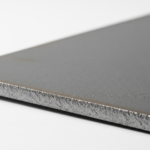
Finish affects both performance and fabrication cost. Hot rolled No.1 stainless steel plate is commonly used for industrial applications where appearance is less critical and heavier gauges are required. Cold rolled or smoother finishes may be more appropriate for visible surfaces, hygienic fabrication, or parts that need more refined downstream processing.
Flatness should not be treated as a minor issue. If the material will be laser cut into precision parts, welded into assemblies, or formed into components with tight fit-up requirements, inconsistent flatness can create avoidable workshop delays. Buyers should raise these expectations before order confirmation, especially for thinner or wider plates.
How to Reduce Risk in International Stainless Steel Plate Sourcing
For importers and project buyers, risk management starts with traceability and communication. Ask your supplier to confirm the original mill source, available certificates, realistic lead time, and inspection process before shipment. If a project has critical compliance requirements, verify them before payment rather than after the cargo is packed.
Commercial clarity also matters. Confirm Incoterms, packing method, marking, partial shipment expectations, and whether third-party inspection is needed. On repeat projects, a supplier that understands your documentation pattern and shipment standards can save time well beyond the unit price discussion.
Another practical point is order planning. If your project will require multiple plate sizes or staged deliveries, it is often more efficient to align those needs early. This can improve container utilization, stabilize procurement scheduling, and reduce the chance of mixed specifications across batches.
When Buyers Should Choose a Supply Partner Instead of Spot Purchasing
Spot buying can work for simple orders, but many industrial customers benefit from a sourcing partner that can coordinate grade selection, mill availability, processing, and export handling together. This is especially useful when the requirement involves mixed items, recurring procurement, or fast response to revised project schedules.
A capable stainless steel plate supplier should be able to discuss commercial feasibility as well as material suitability. That includes recommending alternatives when a requested size has poor availability, flagging cost impacts of uncommon finishes, and helping the buyer compare stock material versus custom rolling options.
Request a Stainless Steel Plate Quote
If you are buying stainless steel plate for fabrication, processing equipment, construction, or industrial supply, send your required grade, size, quantity, finish, and delivery destination for a practical quotation. Clear specifications help shorten lead time and improve price accuracy.
To request pricing or discuss a sourcing requirement directly, contact SOROYA PTE. LTD. by email at nancy@soroya.com.sg oder WhatsApp +65 8058 3416. Quote support is available for international stainless steel plate enquiries, including project orders and repeat purchasing needs.
Über SOROYA PTE. LTD.
SOROYA PTE. LTD. ist ein in Singapur ansässiger Anbieter, der internationale Beschaffungs- und Lieferkettenanforderungen im Bereich Edelstahl unterstützt.
Geschäftsführerin: Nancy
E-Mail-Adresse des Geschäftsführers: nancy@soroya.com.sg
WhatsApp: +65 8058 3416
Adresse: Singapur, 14 ROBINSON ROAD, #08-01A, FAR EAST FINANCE BUILDING, 048545