A stainless steel pipe quotation can look complete while leaving a critical question unanswered: what condition will the internal and external surfaces be in when the shipment arrives? Terms such as “cleaned,” “pickled,” and “passivated” describe different operations. Treating them as interchangeable can create disputes over weld discoloration, contamination, inspection records, and additional processing charges.
For buyers sourcing stainless steel pipe or tube, the practical objective is a clearly defined delivery condition. This guide explains how to specify treatment scope, compare supplier offers, and agree acceptance evidence before issuing a purchase order. It applies to procurement planning; the approved material specification and project requirements remain the basis for acceptance.
Understand Cleaning, Pickling and Passivation
Cleaning removes unwanted contamination such as oil and dirt. Pickling removes oxide scale and a thin underlying metal layer, including chromium-depleted material associated with welding heat tint. Chemical passivation is a separate treatment associated with removing free iron contamination and supporting a clean passive surface; it should not be assumed to remove heavy weld scale.
As Outokumpu’s post-fabrication treatment guidance explains, properly pickled stainless steel passivates spontaneously, so an additional chemical passivation operation is not automatically necessary. However, a project may still require it. Buyers should ask which operations are included and why, instead of purchasing an undefined “pickling and passivation” package.
Specify Both the Bore and the Outside Surface
For stainless steel tubing, an attractive outside surface does not establish the condition of the bore. State whether treatment covers the external surface, internal surface, weld areas, or the complete item. Include straight lengths, fittings, and fabricated spools separately if their processing routes differ.
Access also matters. A short open tube and an assembled spool with branches present different inspection and cleaning challenges. Ask the supplier to describe how the quoted scope will be achieved and verified. Where internal inspection is required, define its coverage and the records expected. “Borescope inspection included” is incomplete without an agreed extent, acceptance criteria, and reporting format.
Agree the Sequence Around Welding and Fabrication
A mill surface treatment describes the product at that stage of production. Later cutting, forming, welding, and handling can change its condition. If the delivered item is a fabricated spool, specify the required final condition after fabrication rather than relying only on the starting pipe description.
Clarify who is responsible for treatment following site welding. A supplier’s cleaned straight pipe does not settle the scope of the installer’s work. Put this boundary in the procurement package so that material supply, shop fabrication, and site activities do not leave a gap. Ask suppliers to identify any excluded weld areas or inaccessible surfaces before comparing prices.
Keep Appearance Separate from Acceptance
A bright surface is not a corrosion test, and a matte surface is not necessarily defective. Pickling can change the appearance of stainless steel. If decorative consistency matters, agree a representative sample or an objective appearance requirement before treatment and delivery.
For process applications, define any roughness requirement separately from cleaning or chemical treatment. State the surface involved, measurement parameter, sampling locations, and required report. Avoid assuming that a named treatment guarantees a particular roughness. Likewise, do not substitute a visual inspection for the examinations required by the approved product specification. Each check should answer a specific acceptance question.
Request Evidence That Matches the Purchase Order
A treatment certificate is most useful when it can be tied to the actual shipment. Request identification of the treated items, procedure reference, treatment date, processing company, and inspection results required by the order. Link records to bundle, lot, heat, or spool identifiers as appropriate to the agreed traceability system.
If the project invokes a cleaning or passivation standard, specify the applicable edition and required method or acceptance provisions. Ask the supplier to state compliance or deviations explicitly. A generic certificate mentioning a standard without identifying the work performed may be insufficient. Conversely, avoid demanding unspecified extra tests at dispatch: define them early so that cost, scheduling, and acceptance are clear.
Prevent Contamination After Treatment
The condition achieved during processing can be lost through subsequent handling. Worldstainless guidance on pickling and passivation identifies carbon steel tooling and mixed-metal fabrication areas as potential sources of iron contamination. Procurement requirements should therefore cover the period between treatment and delivery, as well as the treatment itself.
Specify clean handling arrangements, suitable supports, and protection appropriate to the shipment. Where capped ends are required, ask when caps are fitted and how cleanliness is maintained before closure. Agree drying expectations before packing, especially when the bore has been wet-processed. On arrival, record damaged wrapping, missing caps, visible contamination, and identification discrepancies before releasing material for use.
Compare the Total Delivered Scope
Request separate confirmation of material, fabrication, treatment, inspection, documentation, and packing. Two offers with the same grade and dimensions may cover very different work. An apparently cheaper quotation can become more expensive if internal treatment, examination records, or protective packing must be added later.
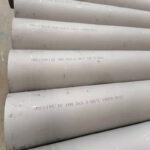
For example, an RFQ for welded stainless steel pipe can ask suppliers to confirm internal and external treatment coverage, the final surface condition, inspection extent, traceability records, and end protection. This creates a comparable purchasing scope without prescribing an unreviewed chemical recipe. Treatment should be performed by qualified processors under controlled procedures suitable for the material and application.
Send a Complete Stainless Steel Pipe Enquiry
For a quotation, send SOROYA PTE. LTD. your approved grade and product standard, outside diameter and wall thickness or pipe size and schedule, lengths, quantity, delivery destination, and required date. Add the treatment scope, inspection criteria, documentation, and packing requirements. Include drawings for fabricated items and identify requirements that need technical clarification.
Email nancy@soroya.com.sg or contact WhatsApp +65 8058 3416 to discuss your stainless steel pipe or tube sourcing enquiry and request a quotation against your specified delivery condition.
About SOROYA PTE. LTD.
SOROYA PTE. LTD. is a Singapore-based supplier supporting international stainless steel sourcing and supply-chain requirements.
General Manager: Nancy
General Manager Email: nancy@soroya.com.sg
WhatsApp: +65 8058 3416
Address: Singapore 14 ROBINSON ROAD, #08-01A, FAR EAST FINANCE BUILDING, 048545