Buying stainless steel plate for water treatment systems, utility skids, filter housings, tanks, and support fabrication is rarely just a question of finding the lowest ton price. Industrial buyers usually need material that fits the service environment, works efficiently in cutting and welding, and arrives with documents that support project approval. When those points are not defined early, quotations may look competitive while hiding risks in finish, tolerance, traceability, and delivery scope.
For EPC buyers, OEM sourcing teams, fabricators, and distributors, the commercial target is simple: secure stainless steel plate that moves into production with fewer revisions and fewer surprises. This guide explains how to prepare a better purchasing basis for water treatment and utility equipment projects so suppliers can quote more accurately and buyers can compare offers on the right terms.
Start With the Operating Environment, Not Only the Grade Name
Many enquiries begin with a short request for 304 stainless steel plate or 316 stainless steel plate. That is a useful starting point, but it is not enough for serious procurement. Water treatment and utility systems can involve raw water, treated water, cleaning chemicals, chloride exposure, outdoor installation, and repeated washdown. The intended service conditions should be clear before the buyer asks suppliers for a firm quotation.
304 stainless steel plate is commonly reviewed for general utility equipment, indoor fabrication, and projects where corrosion exposure is moderate and buyers want a practical balance of availability, weldability, and cost. 316 stainless steel plate is more often considered when chloride content, coastal installation, chemical contact, or more aggressive cleaning conditions increase corrosion risk. If the fabrication route includes substantial welding, it is also sensible to state whether low-carbon variants such as 304L or 316L are preferred.
Suppliers can quote more responsibly when they know whether the plate will be used for filter vessels, support frames, water-treatment skids, dosing equipment, covers, or structural panels. End-use context helps them recommend a more workable stock or mill option instead of relying on generic assumptions.
Define Thickness, Plate Format, and Cutting Scope Early
One of the most common reasons a stainless steel plate supplier issues a revised quotation is that the original RFQ does not explain how the plate will be consumed. Some projects need full plates for workshop flexibility. Others need cut blanks, nested parts, or processed pieces that match a drawing package. These are not small commercial differences. They affect yield, handling, labor, and lead time.
For water treatment equipment, buyers should define thickness, width, length, and quantity for each item, and clarify whether substitute stock sizes are acceptable. If parts will be laser cut, plasma cut, rolled, or bent, the supplier should also understand whether flatness or edge quality has elevated importance. A lower quote can become the more expensive option if the delivered material creates extra correction work in the shop.
Match Surface Finish to the Fabrication and Inspection Requirement
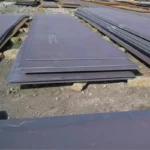
Surface condition affects both usability and price. In many utility projects, hot rolled No.1 stainless steel plate is commercially appropriate for support structures, base frames, and heavy fabrication. In cleaner equipment zones, visible assemblies, or components that may need downstream polishing, buyers may need a different finish. If finish is not stated in the enquiry, suppliers may quote on different assumptions while appearing to offer the same product.
Buyers should also think about edge condition and post-cut expectations. If the project needs deburred blanks, contour-cut parts, or pieces intended for cleaner weld preparation, that scope should appear in the first enquiry. A well-structured RFQ reduces the number of quote revisions and makes price comparisons more meaningful.
Build Documentation Into the Commercial Scope
Water treatment and utility equipment orders often move through QA review, customer approval, and export documentation checks. For that reason, paperwork should be treated as part of the material supply, not as an afterthought. Buyers should state whether they require mill test certificates, heat traceability, marking, EN 10204 3.1 documents where applicable, or third-party inspection support.
These requirements influence both cost and lead time. If documentation is added only after the quotation is accepted, procurement may face avoidable delays or price changes. The same applies to packing requirements. Export-bound stainless steel plate may need moisture protection, wooden skids, piece identification, or bundled packing aligned with the fabrication sequence.
Ask Suppliers to Quote the Same Basis
Two quotations can list the same grade and thickness while describing very different supply packages. One offer may cover standard stock plates only. Another may include cut-to-size processing, better certification coverage, and export-ready packing. Looking only at the first-line price does not show which offer is actually better for the project.
A buyer-focused RFQ for stainless steel plate sourcing should usually include:
- Grade and preferred variant, such as 304, 304L, 316, or 316L
- Thickness, width, length, and quantity for each line item
- Whether the requirement is full plate, cut blanks, or processed parts
- Required surface finish, flatness concern, and edge expectations
- Drawings, BOM references, or cutting lists when processing is needed
- Certificate, traceability, marking, and inspection requirements
- Destination, packing basis, and target shipment timing
If the buyer can accept alternative nesting plans, split deliveries, or equivalent stock sizes to shorten lead time, that flexibility should be stated. Suppliers can often improve the commercial offer when they understand which points are fixed and which points can be optimized.
Compare Usable Project Value, Not Only Price Per Ton
Industrial procurement decisions are stronger when buyers compare total usable value. For water treatment and utility fabrication, that means reviewing origin assumptions, stock-versus-mill route, processing inclusions, documentation support, dispatch timing, and packing scope alongside the material price. A cheaper quote loses its advantage quickly if it causes workshop delays, missing paperwork, or freight inefficiencies.
Before placing the order, buyers should confirm whether the proposed material condition fits the actual fabrication plan. That short review often prevents delays during cutting, fit-up, inspection, and shipment release. In project supply, the most useful quotation is usually the one that removes uncertainty for purchasing, QA, and production at the same time.
If you are buying stainless steel plate for water treatment skids, utility equipment, tanks, covers, or fabricated support structures, send your grade, size list, finish, certification needs, destination, and delivery target for a practical quotation. For a direct enquiry, contact SOROYA PTE. LTD. by email at nancy@soroya.com.sg or WhatsApp +65 8058 3416. Sharing drawings, BOM files, or a cutting list will usually improve quote accuracy and shorten revision time.
About SOROYA PTE. LTD.
SOROYA PTE. LTD. is a Singapore-based supplier supporting international stainless steel sourcing and supply-chain requirements.
General Manager: Nancy
General Manager Email: nancy@soroya.com.sg
WhatsApp: +65 8058 3416
Address: Singapore 14 ROBINSON ROAD, #08-01A, FAR EAST FINANCE BUILDING, 048545