Buying stainless steel pipe or stainless steel tube for an industrial project is rarely a simple price comparison. Buyers need to match grade, size, wall thickness, surface condition, pressure or fabrication requirements, and shipping terms before a quotation is truly useful. If those details are unclear at the RFQ stage, the result is usually a slower buying cycle, more revisions, and higher procurement risk.
For importers, contractors, stockists, and fabrication teams, the most practical approach is to treat stainless steel pipe and tube sourcing as both a technical decision and a supply-chain decision. The right material should fit the service environment, meet the processing method, and arrive with documentation that supports inspection, export, and downstream use. This guide explains what industrial buyers should check before placing an order.
What Buyers Mean by Stainless Steel Pipe and Stainless Steel Tube
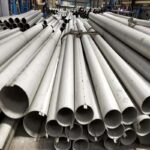
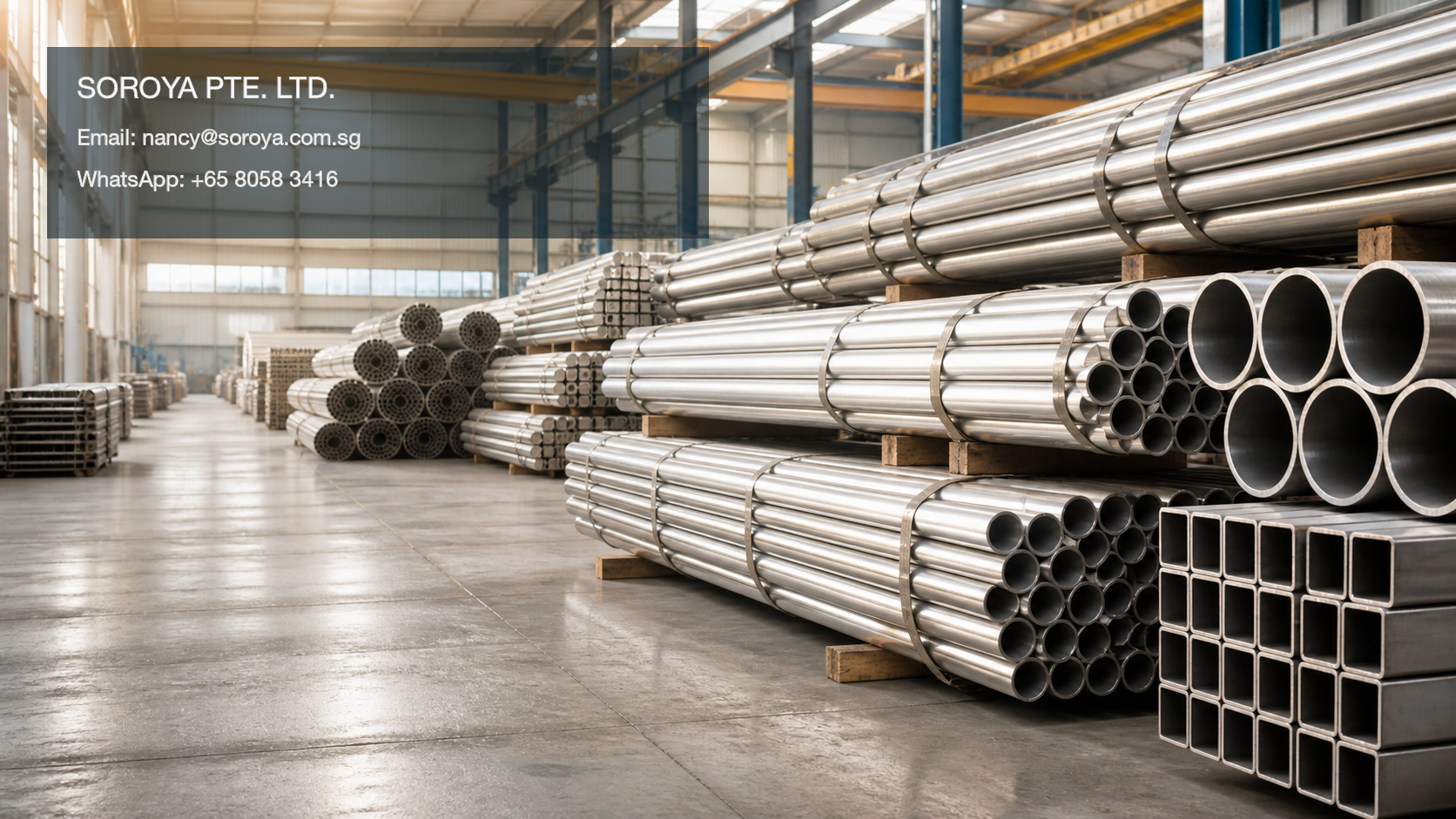
In many enquiries, the terms pipe and tube are used together, but buyers should still define the actual requirement. 不锈钢管 is usually specified for fluid handling, process lines, structural service, pressure-related applications, or general industrial conveyance. 不锈钢管 is often requested for fabrication, heat exchangers, instrumentation, handrails, frames, mechanical assemblies, or applications where tighter dimensional control or a specific outside dimension is more important.
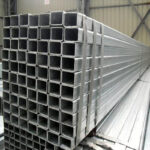
That distinction matters because a supplier may stock different standards, tolerances, and finishing routes for pipe versus tube. A buyer who only asks for “304 stainless steel tube” without confirming round, square, rectangular, welded, or seamless format may receive a quotation that is difficult to compare or unsuitable for the final use.
Common Grades for Industrial Stainless Steel Pipe and Tube
304不锈钢管 remains one of the most common commercial choices. It offers good corrosion resistance, reliable formability, and broad availability for fabrication, food-related equipment, general water service, architectural uses, and industrial manufacturing where chloride exposure is limited or moderate.
316不锈钢管 is frequently selected when the working environment is more aggressive. Buyers often prefer 316 for marine-adjacent projects, chemical handling systems, pharmaceutical equipment, and applications where improved resistance to pitting or chloride exposure is needed.
For higher temperature service, mechanical strength, or more specialized performance, projects may call for grades such as 321, 310S, 904L, or duplex stainless steel. The best grade should come from the service condition and engineering specification, not from habit alone. A good supplier should be able to discuss practical availability as well as material suitability.
Key Information to Include in a Pipe or Tube RFQ
A strong RFQ helps the supplier quote the correct product the first time. In addition to grade, buyers should provide the product form, size range, wall thickness, quantity, length requirement, finish, and destination market. If the order is for a project rather than stock replenishment, it is also useful to mention the application so the supplier can flag any mismatch early.
For a commercial quotation on stainless steel pipe or tube, buyers should ideally confirm:
- Pipe or tube type: seamless, welded, ERW, round, square, or rectangular
- Size basis: outside diameter, nominal pipe size, wall thickness, and cut length
- Applicable standard or specification such as ASTM, ASME, EN, or JIS
- Surface finish expectations such as pickled, polished, BA, or mill finish
- Documentation requirements including MTC or EN 10204 3.1 if needed
- Export packing, marking, and destination port details
These details improve quote accuracy and reduce the risk of receiving prices that look competitive but are based on the wrong standard or production route.
Seamless vs Welded: Which Option Fits the Job?
Industrial buyers often ask whether seamless stainless steel pipe is always better. In practice, the answer depends on the application. Seamless material is commonly preferred for higher pressure service, critical process systems, or specifications that explicitly require it. Welded stainless steel pipe or tube, however, can be a practical and economical choice for many fabrication, structural, decorative, and general industrial uses when the applicable standard allows it.
The decision should consider pressure rating, corrosion environment, inspection expectations, fabrication steps, and budget. If a project does not truly require seamless material, insisting on it may extend lead time and increase cost without a matching operational benefit. This is one area where supplier guidance can save both time and money.
Finish, Tolerance, and Fabrication Practicality
Surface finish affects both appearance and downstream processing. For visible architectural or fabricated work, polished stainless steel tube may be important. For process lines or industrial service, mill finish or pickled material may be entirely suitable. Buyers should also confirm straightness, cut tolerance, and end condition if the material will go directly into automated fabrication or site installation.
Dimension control matters especially for square and rectangular stainless steel tube, heat exchanger tube, and precision fabrication work. A quotation that ignores tolerance can lead to workshop delays, fit-up issues, or additional machining costs after arrival. If a project has strict assembly requirements, those expectations should be raised before order confirmation rather than after shipment.
How to Reduce Risk When Importing Stainless Steel Pipe and Tube
For international sourcing, traceability and communication are just as important as unit price. Buyers should ask the supplier to confirm mill origin, available certificates, realistic production or stock lead time, and inspection arrangements before payment is finalized. If third-party inspection or special marking is required, that should be agreed clearly in advance.
Commercial terms also deserve attention. Confirm Incoterms, packing style, bundle weights, container loading assumptions, and whether mixed sizes will ship together or in phases. On recurring projects, a supplier that understands your documentation pattern and shipment requirements can reduce repeat coordination work and help stabilize procurement planning.
Request a Stainless Steel Pipe or Tube Quote
If you are sourcing stainless steel pipe or stainless steel tube for fabrication, process systems, structural work, or industrial supply, send your grade, size, wall thickness, quantity, finish, and delivery destination for a practical quotation. Clear requirements help shorten lead time, improve price accuracy, and reduce supply risk.
For a direct quotation or project enquiry, contact SOROYA PTE. LTD. by email at nancy@soroya.com.sg 或 WhatsApp +65 8058 3416. Share your target specification, quantity, and destination, and we can help review the most workable stainless steel pipe or tube supply option for your requirement.
关于 SOROYA PTE. LTD.
SOROYA PTE. LTD. 是一家总部位于新加坡的供应商,致力于满足国际不锈钢采购及供应链需求。.
总经理:南希
总经理电子邮箱:nancy@soroya.com.sg
WhatsApp:+65 8058 3416
地址:新加坡罗宾逊路14号,#08-01A室,远东金融大厦,048545