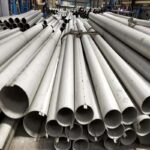
Der Kauf von Edelstahlrohren für ein Projekt im Ausland umfasst mehr als nur die Vereinbarung von Güteklasse, Abmessungen und Preis. Rohre können den Lieferanten zwar in einwandfreiem Zustand verlassen, dennoch mit verbeulten Enden, verwechselten Kennzeichnungen oder Verunreinigungen ankommen, was zusätzlichen Reinigungs- und Prüfenaufwand verursacht. Eine klare Spezifikation für die Exportverpackung von Edelstahlrohren hilft Käufern, verwertbares Material zu schützen und die Einhaltung der Montagezeitpläne sicherzustellen.
In diesem Leitfaden wird erläutert, welche Angaben in einer Bestellung enthalten sein sollten, wenn Edelstahlrohre international beschafft werden. Die Verpackung sollte auf das Produkt, den Transportweg und die Umschlagbedingungen am Bestimmungsort abgestimmt sein, wobei die Verantwortlichkeiten vor der Freigabe der Sendung vereinbart werden sollten.
Beginnen Sie mit dem Produkt und dem Lieferweg
Teilen Sie dem Lieferanten mit, ob die Bestellung Prozessrohre, Präzisionsrohre oder Zierrohre umfasst. Große, schwere Rohre erfordern eine andere Abstützung als dünnwandige Rohre, während eine polierte Oberfläche möglicherweise vor Kontaktmarkierungen geschützt werden muss. Geben Sie in den Verpackungsanweisungen den Außendurchmesser, die Wandstärke, die Stücklänge, die Menge und die gewünschte Oberflächenbeschaffenheit an.
Beschreiben Sie den voraussichtlichen Transportweg: Containertransport, Konsolidierungslager, Umladung, Lagerung im Freien oder direkte Lieferung an eine Fertigungsstätte. Jeder Umschlagvorgang ist mit Handhabungsschritten verbunden. Fragen Sie nach einem Verpackungsvorschlag, aus dem die Abmessungen der Bündel, das Gewicht der Pakete, die Stützpunkte und die Hebezugänge hervorgehen. Vergewissern Sie sich, dass am Bestimmungsort Geräte vorhanden sind, mit denen diese Pakete sicher entladen werden können.
Geben Sie die Materialien für saubere Kontakte an
Edelstahloberflächen sollten vor dem Kontakt mit verschmutzten Fördergeräten und ungeschützten Kohlenstoffstahloberflächen geschützt werden. Verlangen Sie saubere Trennvorrichtungen, geeignete Hülsen oder andere kompatible Schutzvorrichtungen an allen Stellen, an denen Gurte, Halterungen und angrenzende Produkte an dem Rohr reiben könnten. Wählen Sie Schutzvorrichtungen, die sich entfernen lassen, ohne störende Kleberückstände oder Ablagerungen zu hinterlassen.
Bei polierten Edelstahlrohren ist festzulegen, welche Oberflächen geschützt bleiben müssen und welches Erscheinungsbild bei Ankunft akzeptabel ist. Eine allgemeine Anweisung wie “Verpackung nach Exportstandard” gibt keinen Aufschluss darüber, ob Kratzer, Abdrücke von Umreifungsbändern oder Folienrückstände akzeptabel sind. Fügen Sie Fotos oder eine vereinbarte Referenz für die Oberflächenbeschaffenheit bei, wenn das Erscheinungsbild Auswirkungen auf das Endprodukt hat.
Schutz der Rohrenden und Gewährleistung der inneren Sauberkeit
Offene Enden lassen Staub und loses Verpackungsmaterial in das Rohrinnere gelangen. Fragen Sie nach geeigneten Endkappen oder Abdeckungen, wenn es auf Sauberkeit ankommt, und geben Sie an, ob beide Enden jeder Länge geschützt werden müssen. Der Verschluss sollte während des geplanten Handhabungsablaufs sicher sitzen, ohne die Rohrkante zu beschädigen oder sich nur schwer entfernen zu lassen.
Zum Schweißen vorgesehene abgeschrägte Enden müssen sowohl vor Stößen als auch vor Verunreinigungen geschützt werden. Geben Sie an, ob Endkappen die Fase abdecken müssen. Endkappen allein machen eine Verpackung noch nicht wasserdicht und garantieren auch nicht, dass ihre Innenflächen den Anforderungen an die hygienische Sauberkeit entsprechen. Wenn die Anwendung eine kontrollierte Reinigung, Trocknung oder spezielle Versiegelung erfordert, beauftragen Sie diese Arbeitsschritte ausdrücklich und vereinbaren Sie, wie die Durchführung dokumentiert wird.
Vereinbarung über Bündel, Stützen und Hebezugänge
Die Bündel sollten das Material sicher festhalten, ohne dünnere Wände zu quetschen oder einzelne Längen herausrutschen zu lassen. Bitten Sie den Lieferanten, Ihnen zu erklären, wie die Verpackung Bewegungen einschränkt und Kontaktstellen schützt. Lange Längen erfordern möglicherweise mehrere Stützen; die Anordnung sollte sich nach den tatsächlichen Rohrabmessungen, dem Gewicht und der Handhabungsmethode richten und nicht nach einer allgemeinen Abstandsregel.
Legen Sie das maximale Paketgewicht entsprechend der Kapazität des Empfangsstandorts fest. Wenn Kisten oder Paletten vorgesehen sind, stellen Sie sicher, dass die Hebepunkte nach dem Beladen der Behälter weiterhin zugänglich sind. Gehen Sie nicht davon aus, dass Verpackungsbänder als Hebevorrichtungen dienen. Das Empfangsteam sollte die vereinbarte Umschlagmethode und für die Ladung geeignete Ausrüstung verwenden.
Feuchtigkeit und Lagerbedingungen im Blick behalten
Beim Seetransport kann die Ladung schwankenden Temperaturen und Feuchtigkeit ausgesetzt sein. Es ist zu klären, ob für die Transportroute und die Lagerdauer ein Wetterschutz, eine Barriereverpackung oder ein Feuchtigkeitsregelsystem erforderlich ist. Ein solches System sollte auf den umschlossenen Raum und die zu erwartenden Bedingungen ausgelegt sein; das Hinzufügen einiger Trockenmittelbeutel ohne vereinbarte Vorgehensweise stellt keine vollständige Spezifikation dar.
Das Material sollte vor dem Verpacken angemessen sauber und trocken sein. Geben Sie die voraussichtliche Lagerdauer am Bestimmungsort an und fordern Sie Anweisungen zum Auspacken und zur Lagerung an. Sollte die Verpackung nass oder beschädigt eintreffen, halten Sie den Zustand fest und begutachten Sie das Material umgehend. Die Verpackung dient dem Schutz einer Sendung während des vereinbarten Transports; sie sollte nicht als Lösung für eine unbefristete Lagerung im Freien betrachtet werden.
Halten Sie die Chargennummern und die Verpackungsetiketten miteinander verknüpft
Ein gut lesbares Verpackungsetikett sollte die Bestellnummer, die Artikelnummer, die Güteklasse, die Abmessungen, die Länge, die Menge und die Verpackungsnummer enthalten. Legen Sie fest, wie die Schmelzchargennummern mit den gelieferten Längen und den Materialzertifikaten verknüpft werden sollen, insbesondere wenn ein Bündel mehr als eine Schmelzcharge enthält. Die Packliste sollte es dem Empfangsteam ermöglichen, jedes Paket ohne Spekulationen abzugleichen.
Die Konformität der Verpackung und die Konformität des Produkts sind getrennte Anforderungen. Zum Beispiel:, Die Norm ASTM A312/A312M regelt bestimmte Herstellungsverfahren für Rohre aus austenitischem Edelstahl sowie deren Anwendungsbereich.; ein Verweis auf diese Produktnorm ersetzt keine detaillierten Versandanweisungen. Geben Sie die vertraglich vereinbarte Normausgabe und Güteklasse an und fügen Sie die Verpackungsanforderungen als separaten Anhang zur Bestellung bei.
Vergleichen Sie den gesamten Verpackungsumfang in den Angeboten
Bitten Sie um eine detaillierte Aufstellung dessen, was im angebotenen Verpackungspaket enthalten ist. Vergleichen Sie Endschutz, Trennwände, Umhüllung, Etiketten, gegebenenfalls Transportkisten, Inspektionsfotos und die Erstellung der Packliste. Bitten Sie die Lieferanten, Ausschlüsse sowie etwaige Auswirkungen auf die Lieferzeit oder die Frachtmaße anzugeben. Der günstigste Materialpreis führt möglicherweise nicht zu den niedrigsten Gesamtkosten, wenn später zusätzliche Verpackungskosten hinzukommen.
Fordern Sie vor dem Versand Fotos an, die repräsentative Rohrenden, die Schutzverpackung, Etiketten und die fertig verladene Ladung zeigen. Legen Sie fest, wer bei der Übergabe die Anzahl der Packstücke und deren äußeren Zustand überprüft. Fotografieren Sie bei Ankunft eventuelle Schäden vor dem Auspacken, gleichen Sie die Mengen ab und bewahren Sie relevante Etiketten auf, während etwaige Unstimmigkeiten untersucht werden.
Angebot für Edelstahlrohre anfordern
Teilen Sie SOROYA PTE. LTD. die Güteklasse, die Abmessungen, die Längen, die Menge, den Bestimmungsort und den gewünschten Liefertermin Ihrer Edelstahlrohre mit. Geben Sie dabei bitte auch die Anforderungen an die Oberflächenbeschaffenheit, die Endbearbeitung, den Zertifikatsbedarf sowie die oben genannten Verpackungshinweise an. E-Mail nancy@soroya.com.sg oder wenden Sie sich über WhatsApp unter +65 8058 3416 an uns, um ein Angebot mit einem vereinbarten Verpackungsumfang für Ihre Sendung anzufordern.
Über SOROYA PTE. LTD.
SOROYA PTE. LTD. ist ein in Singapur ansässiger Anbieter, der internationale Beschaffungs- und Lieferkettenanforderungen im Bereich Edelstahl unterstützt.
Geschäftsführerin: Nancy
E-Mail-Adresse des Geschäftsführers: nancy@soroya.com.sg
WhatsApp: +65 8058 3416
Adresse: Singapur, 14 ROBINSON ROAD, #08-01A, FAR EAST FINANCE BUILDING, 048545