Buying stainless steel plate for fabrication is rarely difficult because of the material itself. The real difficulty is ordering plate that fits the production plan, arrives with the right documents, and does not create downstream delays in cutting, welding, polishing, or assembly. When buyers ask for price using only a grade and thickness, suppliers are forced to make assumptions about finish, tolerance, cut sizes, and delivery scope. Those assumptions often become the reason a quotation looks attractive at first but performs poorly after the order is placed.
For OEM buyers, project procurement teams, fabricators, distributors, and export contractors, a better purchase outcome usually starts with a clearer RFQ. If you are sourcing stainless steel plate for tanks, machine bases, skids, ductwork, enclosures, structural assemblies, or process equipment, the most useful quotation is the one that matches your workshop reality. Price matters, but usability, documentation, and delivery reliability matter just as much.
Start With the End Use, Not Just the Grade
Many buyers begin an enquiry with 304 or 316 because those grades are familiar. That is reasonable, but it should not be the entire specification. The supplier also needs to know what the plate will do after delivery. Plate for a visible architectural cover, for example, is not purchased on the same basis as plate for a welded tank shell or a heavy-duty support frame. Once the final application is clear, it becomes easier to align the quotation with the right finish, flatness expectation, and processing route.
Edelstahlblech 304 is often selected for general industrial fabrication because it offers a practical balance of corrosion resistance, weldability, and market availability. Edelstahlblech 316 is more often reviewed when chloride exposure, aggressive cleaning chemistry, or coastal service conditions increase corrosion risk. Low-carbon variants such as 304L or 316L may also be commercially relevant where welding is extensive and buyers want better weld-zone corrosion performance.
Confirm Thickness, Tolerance, and Plate Format Early
One of the most common causes of buying mistakes is treating thickness as the only dimensional issue that matters. In real projects, plate width, length, flatness, and acceptable tolerance range can affect nesting yield, welding fit-up, machining time, and scrap rate. If your cutting plan depends on specific blank sizes, mention that from the start. If full mill plates are acceptable, that should also be stated, because it may expand stock options and shorten lead time.
Buyers should also decide whether they need full plates, cut-to-size pieces, or a mixed supply plan. A capable stainless steel plate supplier can often improve commercial value by proposing cut blanks for repetitive fabrication while keeping full plates for variable parts. That approach can reduce waste and simplify workshop handling. The important point is to make those expectations part of the quotation basis rather than an afterthought.
Match the Surface Finish to Fabrication and Appearance Needs
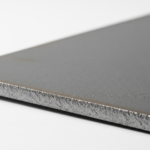
Not every project needs the same surface condition. Hot rolled plate may be commercially suitable for structural fabrication, base frames, and heavy industrial use. Where cleaner appearance, tighter dimensional consistency, or easier downstream finishing matters, buyers may need a different surface condition such as 2B, pickled, or polished material. If the plate will remain visible in the finished product, surface finish should never be left open to interpretation.
Finish also affects cost comparison. A lower quote based on a rougher or less suitable finish can create extra grinding, polishing, or cleaning work later. For a buyer, the correct question is not only how much the plate costs per ton. The better question is how much time and correction work the delivered plate will add or remove from production.
Request Documentation and Traceability Before Price Approval
Documentation requirements are frequently raised too late. A buyer accepts an offer and then asks whether mill test certificates, heat number traceability, EN 10204 3.1 certificates, PMI support, or third-party inspection coordination are included. By that stage, the supplier may need to revise both price and lead time. To avoid that, treat documentation as part of the original commercial scope.
This is especially important for exported assemblies, regulated fabrication, and repeat OEM supply. If receiving inspection or end-user approval depends on material records, those requirements should appear in the RFQ. Good stainless steel plate sourcing is not only about getting metal shipped. It is about getting material that can move directly into production and customer approval without avoidable documentation gaps.
Review Logistics, Packing, and Delivery Assumptions
Plate buying decisions should also include practical delivery details. Heavy plates require suitable packing, stable stacking, and clear shipment planning, especially for container export or multi-size mixed orders. Buyers should confirm whether the quotation includes export packing, protective separation, piece marking, and realistic delivery timing. These details influence both transit risk and site handling efficiency.
Commercial clarity matters here. Is the offer based on ex-stock material or a new mill rolling schedule? Are substitute dimensions allowed if stock changes? Can partial shipment be accepted to keep the project moving? A buyer who clarifies these points early is far less likely to face schedule surprises after the purchase order is issued.
Build the RFQ Around Total Fabrication Value
The best stainless steel plate orders are not always the ones with the lowest headline price. A more useful quotation may include better dimension matching, stronger packing, faster document support, or cut-to-size recommendations that reduce fabrication waste. When buyers compare quotations only on ton price, they often miss the real cost drivers inside workshop time, scrap, and delivery reliability.
If you want faster and more accurate offers, send your enquiry with grade, thickness, dimensions, finish, quantity by item, processing requirements, documentation scope, delivery destination, and required shipment timing. Drawings, BOM files, and cutting lists should be attached where possible. That gives the supplier enough information to quote what your team actually needs rather than what they assume you might accept.
Wenn Sie auf der Suche nach Lieferanten sind stainless steel plate for fabrication, export supply, or project buying, send your RFQ directly to nancy@soroya.com.sg oder WhatsApp +65 8058 3416 for a direct quotation review. A clearer enquiry usually leads to a faster price response, fewer revisions, and a more dependable supply decision.
Über SOROYA PTE. LTD.
SOROYA PTE. LTD. ist ein in Singapur ansässiger Anbieter, der internationale Beschaffungs- und Lieferkettenanforderungen im Bereich Edelstahl unterstützt.
Geschäftsführerin: Nancy
E-Mail-Adresse des Geschäftsführers: nancy@soroya.com.sg
WhatsApp: +65 8058 3416
Adresse: Singapur, 14 ROBINSON ROAD, #08-01A, FAR EAST FINANCE BUILDING, 048545